


Our hotel complex in N’Gouja comes with a responsibility. Aware that we are the custodians of an exceptional natural site, we take great care to ensure that it can be enjoyed by both present and future generations. To this end, we follow the AMANTA Group’s Environmental Charter to guide our development projects and day-to-day operations. We are constantly seeking new ways to minimise the environmental impact of our operations.
You are welcome to join us in this endeavor.
Environmental conservation is at the heart of our approach. The resort has an environmental manager responsible for monitoring the site’s eco-friendly initiatives and developing new projects to preserve the ecosystems around us.
He also supports the teams in adopting best practices on a daily basis to reduce the impact of our activities and promote more nature-friendly tourism.
Maël, our environmental manager, is also involved in the scientific monitoring of sea turtles in collaboration with the Centre for the Study and Discovery of Sea Turtles (CEDTM), to better understand and protect these iconic species found on N’Gouja beach. Do feel free to come and meet him on site; he’ll introduce you to the key species that live among us.
Who are our local partners?
Thanks to these partnerships, we work closely with local experts to implement concrete actions every day to become an ever more responsible hotel.
In 2024, we also had the honour of working with the Coconi Agricultural College and the Chirongui Rural Family Centre to host young people throughout the year who came to put into practice in the field what they were learning in the classroom. Some of the plantations you see on site are the result of their hard work!
Would you like to work with us? Do you have an idea? Get in touch!
We are committed to reducing our environmental impact whilst making the most of local resources and expertise. Through our day-to-day practices, we aim to promote responsible tourism that respects nature and the local area.
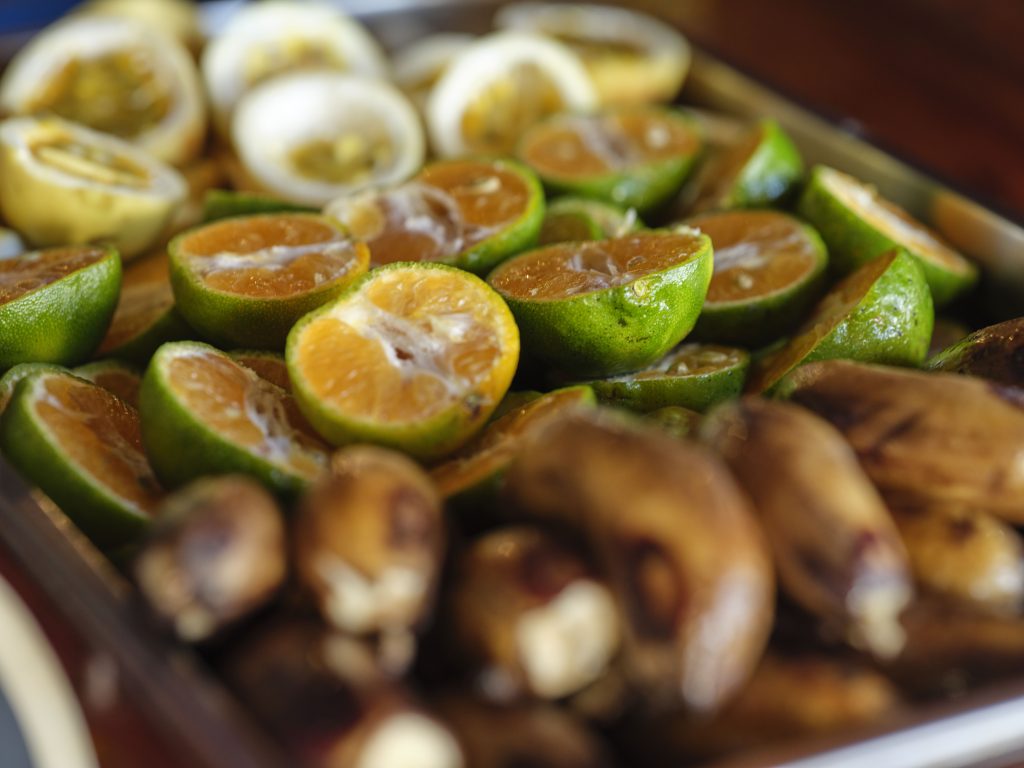
We prioritise local suppliers and producers wherever possible, in order to support Mayotte’s economy. In our shop, we showcase local crafts, culinary products and textiles made on the island.
In the restaurant, we use a variety of local spices (vanilla, cinnamon, lemongrass, cocoa) and, where possible, prioritise local fruit, vegetables, fish, chicken and dairy products.
We also ensure we use natural cleaning products that have been carefully selected and carry an eco-label to minimise our impact on the soil and the environment.
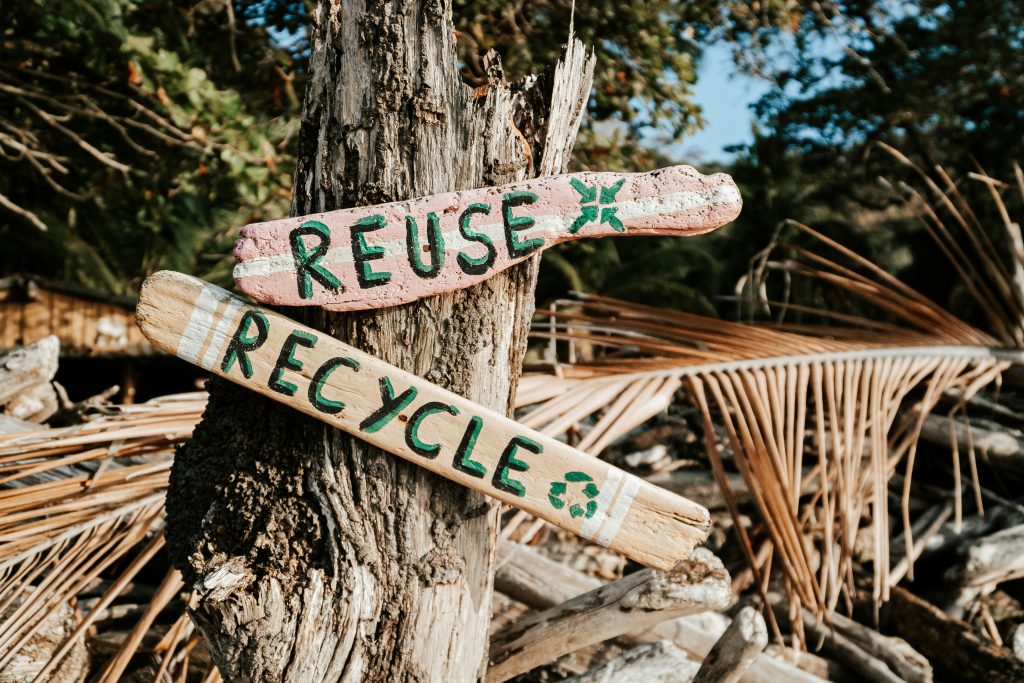
Water management is a major concern. We encourage our visitors to adopt simple measures that help save water, such as limiting the washing of bed linen. Furthermore, our taps and toilet flushes are fitted with water-saving systems. In an effort to minimise watering, the plants in our garden are carefully selected to be resilient to periods of drought.
The hotel relies on solar panels and ensures that electricity consumption is kept to a minimum through the sensible use of air conditioning and energy-efficient equipment.
Outside, the lighting is designed to minimise the impact on wildlife, particularly on the sea turtles that come ashore to lay their eggs on the beach after dark. We follow a strict framework set by the CEDTM, which guides us in the choice of our lighting (orientation, intensity, bulb temperature, etc.).
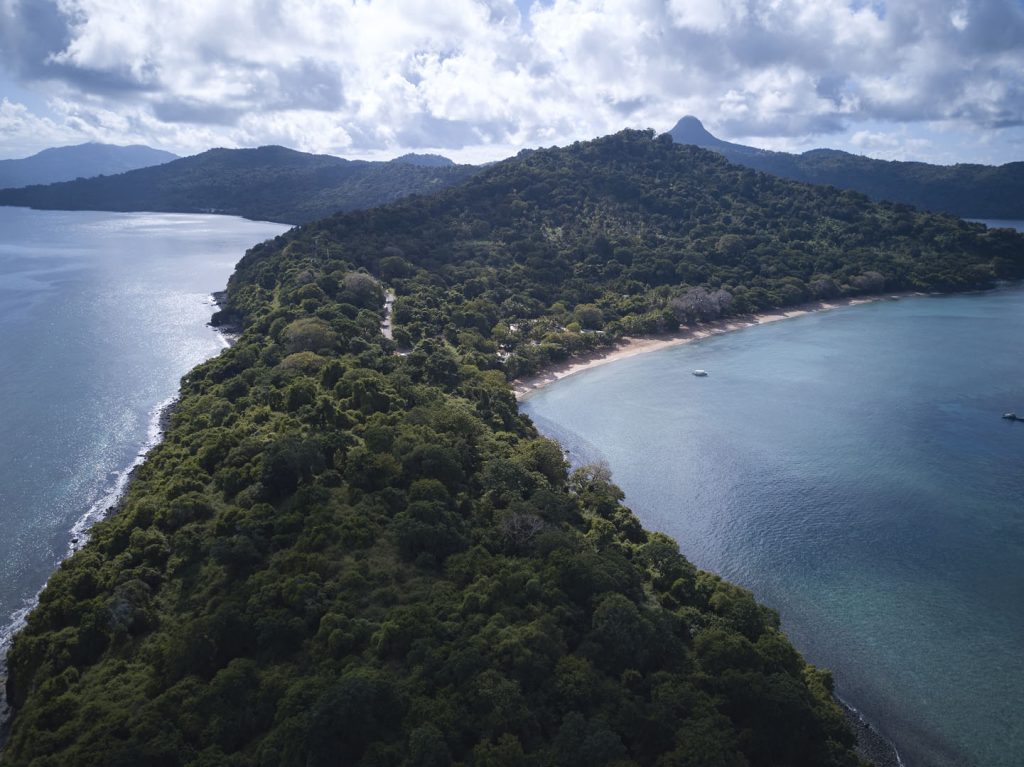
Preserving the terrestrial biodiversity of the N’Gouja site is a priority.
In collaboration with GEPOMAY, a partner of the LPO, we have created an educational trail at the N’Gouja site. This project has enabled us to carry out inventories of the flora and fauna, install nesting boxes, an insect hotel and information boards to raise our visitors’ awareness of the site’s birds, reptiles and insects. Local schoolchildren have also taken part in planting native and endemic species, discovering Mayotte’s natural riches first-hand.
In February 2026, Pointe Rassi and the N’Gouja site were awarded the MAY’Refuge LPO label, the first in Mayotte. This exceptional site will serve as a refuge for all endemic species, with special monitoring to limit the spread of invasive alien species.
These initiatives offer visitors a unique space to discover and preserve the flora and fauna of N’Gouja, whilst making a tangible contribution to the conservation of Mayotte’s iconic species.
If you too would like to get involved in the association’s work, GEPOMAY’s Faune-Mayotte network also offers opportunities to participate in citizen science.

The Mayotte brown lemur (Eulemur fulvus mayottensis), known as the maki, is a species found only in Mayotte and lives in groups in the trees around the site. They are not particularly shy and can often be seen from the beach, the terraces or the restaurant.
Between October and November is the birthing season. The babies cling to their mother’s belly and then her back as she moves about.
To preserve their natural behaviour and health, it is important not to feed or touch them.
The Jardin Maore works in collaboration with the National Museum of Natural History to study the behaviour of lemurs and understand their interaction with human activities, in order to limit their attraction to food from visitors and promote respectful coexistence.
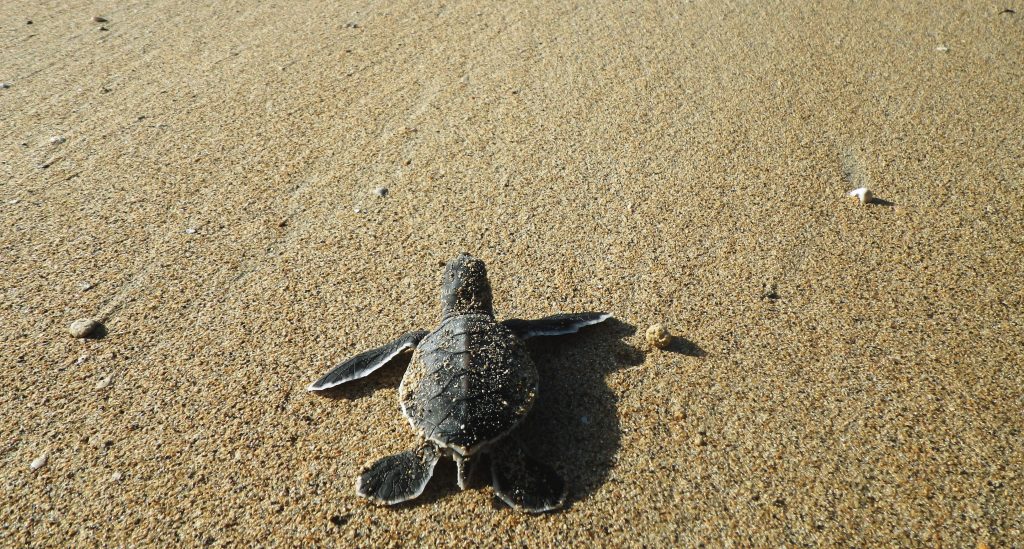
The N’Gouja site is home to green and hawksbill turtles, which can easily be spotted with a mask and snorkel from the shore. To avoid disturbing them and allow them to go about their business naturally, it is essential to observe them from a distance and not to touch them. In the evening, some come ashore to lay their eggs on the beach. Again, keep your distance and never use a flash or the white light from your phone, as this could scare them away. Unfortunately, if a turtle is frightened and returns to the sea without having had time to lay its eggs, it may attempt to lay them on a neighbouring beach, which is more risky in terms of poaching.
To better understand these species and the appropriate actions to take, join the Maël Turtle Talk, every Friday at 6pm at the beach bar. You’ll learn about their life cycle, history, threats and the scientific monitoring carried out on-site. The talk is free and open to all.
Jardin Maore is a member of the Mayotte Marine Mammal and Sea Turtle Stranding Network (REMMAT), supported by the Mayotte Marine Nature Park. Staff are trained in the correct procedures to follow in the event of distress or the death of a marine mammal or turtle, thereby contributing to the protection of these iconic species
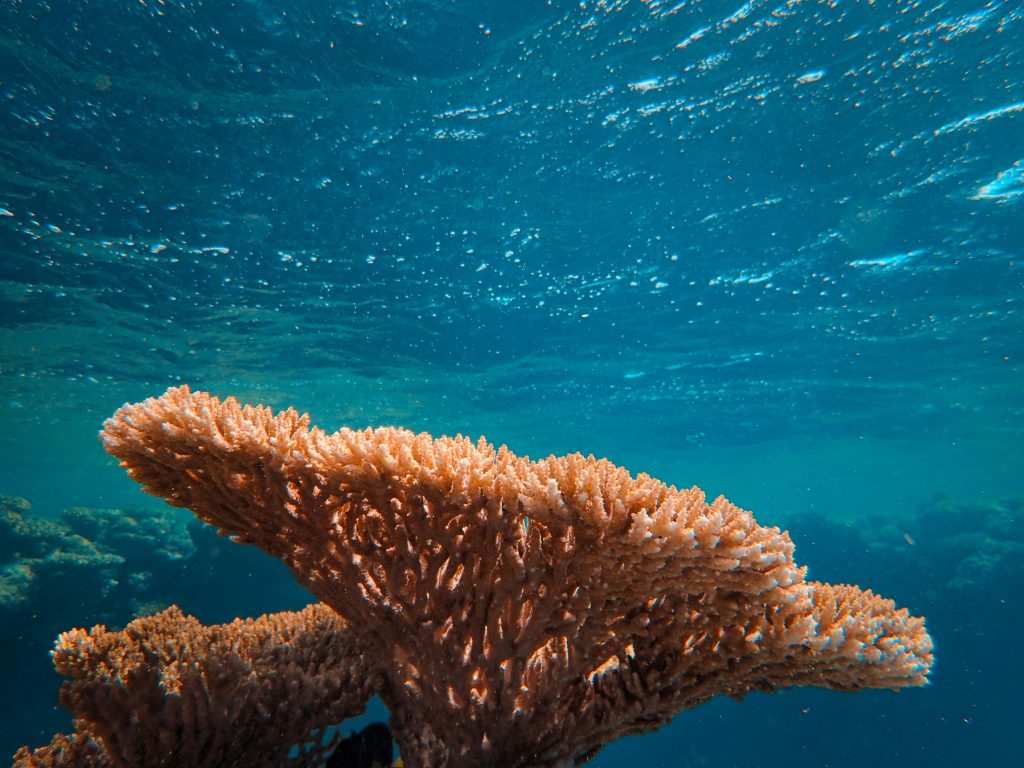
We work with the Mayotte Marine Nature Park, local authorities and government departments to preserve the entire site, from corals to seagrass beds, and to monitor their resilience in the face of human and environmental pressures.
To protect the seagrass beds, a walking channel marked by buoys has been established at low tide, allowing visitors to reach the coral reef for snorkelling whilst minimising trampling.
Scientific monitoring of coral reef resilience is being carried out in collaboration with the Marine Nature Park. Two representatives from the diving centre are involved in implementing three monitoring protocols on the N’Gouja reef and an inner lagoon reef, particularly to observe habitats and young colonies following the passage of Cyclone Chido. Scientific dives are organised twice a year.
Visitors can explore the marine world through snorkelling, diving or eco-snorkelling excursions, accompanied by the site’s environmental manager.
During the dives, we can take you to discover the three coral reefs of Mayotte, where over 900 marine species have been recorded, including rays, sharks, colourful fish and living corals. Each trip offers the chance to observe and learn about the importance of preserving these fragile ecosystems.
If you would like to help collect data on these flagship species, observations of marine mammals
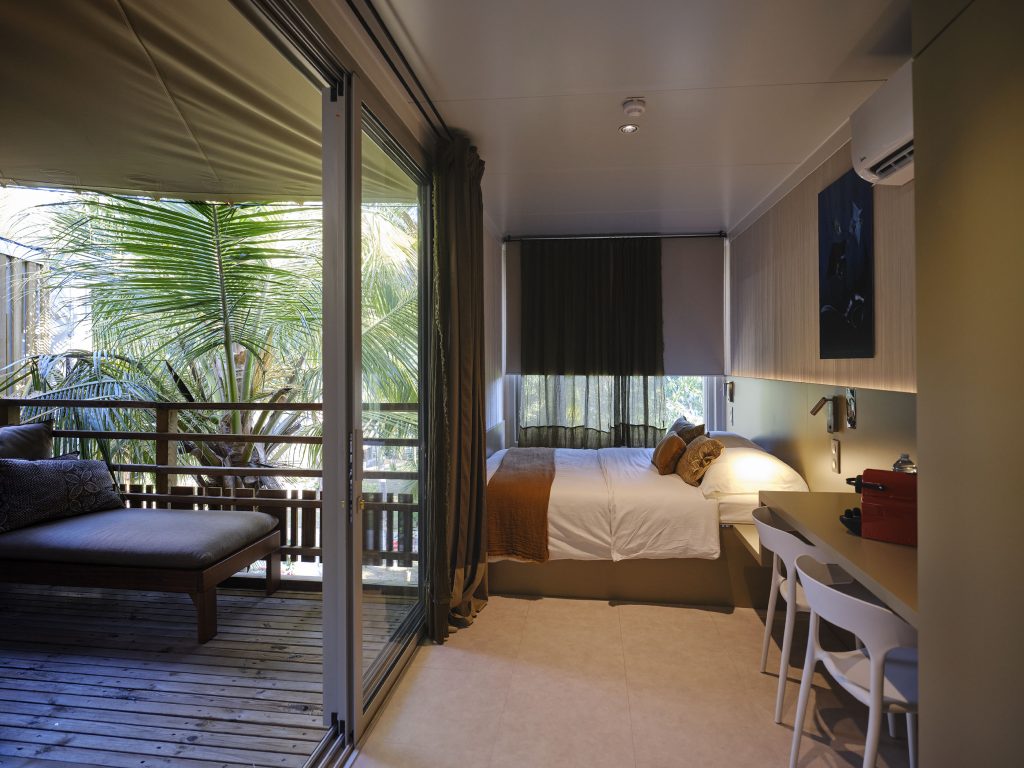
Le Jardin Maore hotel is committed to sustainable tourism through its participation in the BUNGALOW CEE Programme, which is dedicated to improving the energy performance of hotels in overseas territories.
This scheme supports teams in measuring and monitoring energy consumption, training staff and raising visitor awareness, with the aim of reducing the energy footprint and greenhouse gas emissions whilst improving guest comfort.
The programme is led by TIPEE and draws on the technical expertise of Green Tech, Imageen, La Rochelle University and the University of Réunion, with financial support from the Energy Saving Certificates (CEE) scheme, notably led by ENGIE.
The aim is to support hotels in adopting more responsible energy management practices, thereby contributing to more environmentally friendly tourism.
During the dives, we can take you to discover the three coral reefs of Mayotte, where over 900 marine species have been recorded, including rays, sharks, colourful fish and living corals. Each trip offers the chance to observe and learn about the importance of preserving these fragile ecosystems.
If you would like to help collect data on these flagship species, observations of marine mammals

We also encourage you to adopt the following eco-friendly habits during your stay at the hotel: